Next Project


In the summer of 2025, I had the incredible opportunity to join Google NYC as a UX Design Intern on the Chrome UX (formerly Privacy Sandbox) team. My work focused on integrating new privacy features into Google’s core authentication journeys - an effort that required aligning inputs from design, content, research, and product.
I began by conducting a comprehensive UX audit across authentication flows, which surfaced 3 critical touchpoints where privacy could be introduced without disrupting usability. Building on these insights, I iterated on different design variations, gathering feedback from other designers through design critiques and working closely with content and product partners. By the end of my internship, I pitched a design proposal to leadership that demonstrated how my solution could both preserve user privacy and achieve parity with the competitor.
Beyond the design work, I also co-authored design specifications and user principles that were adopted into the PRD, shaping the project’s overall strategy and long-term roadmap.
My work is under NDA until the products launch, happy to provide more high-level information about my experience through an.tran140203@gmail.com. Let’s chat!
If you are a Googler reading this, check out my work at go/antran_intern_portfolio !
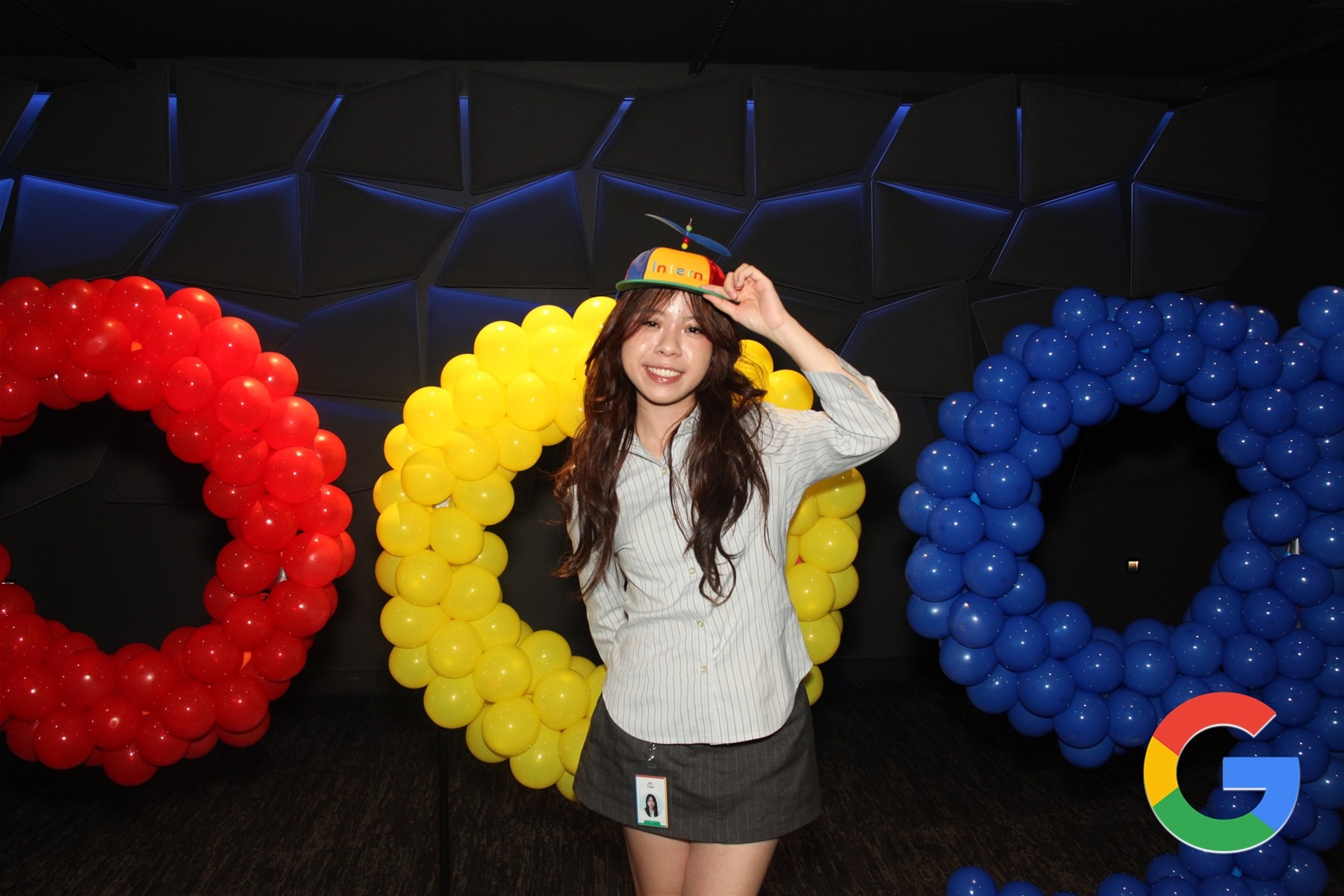
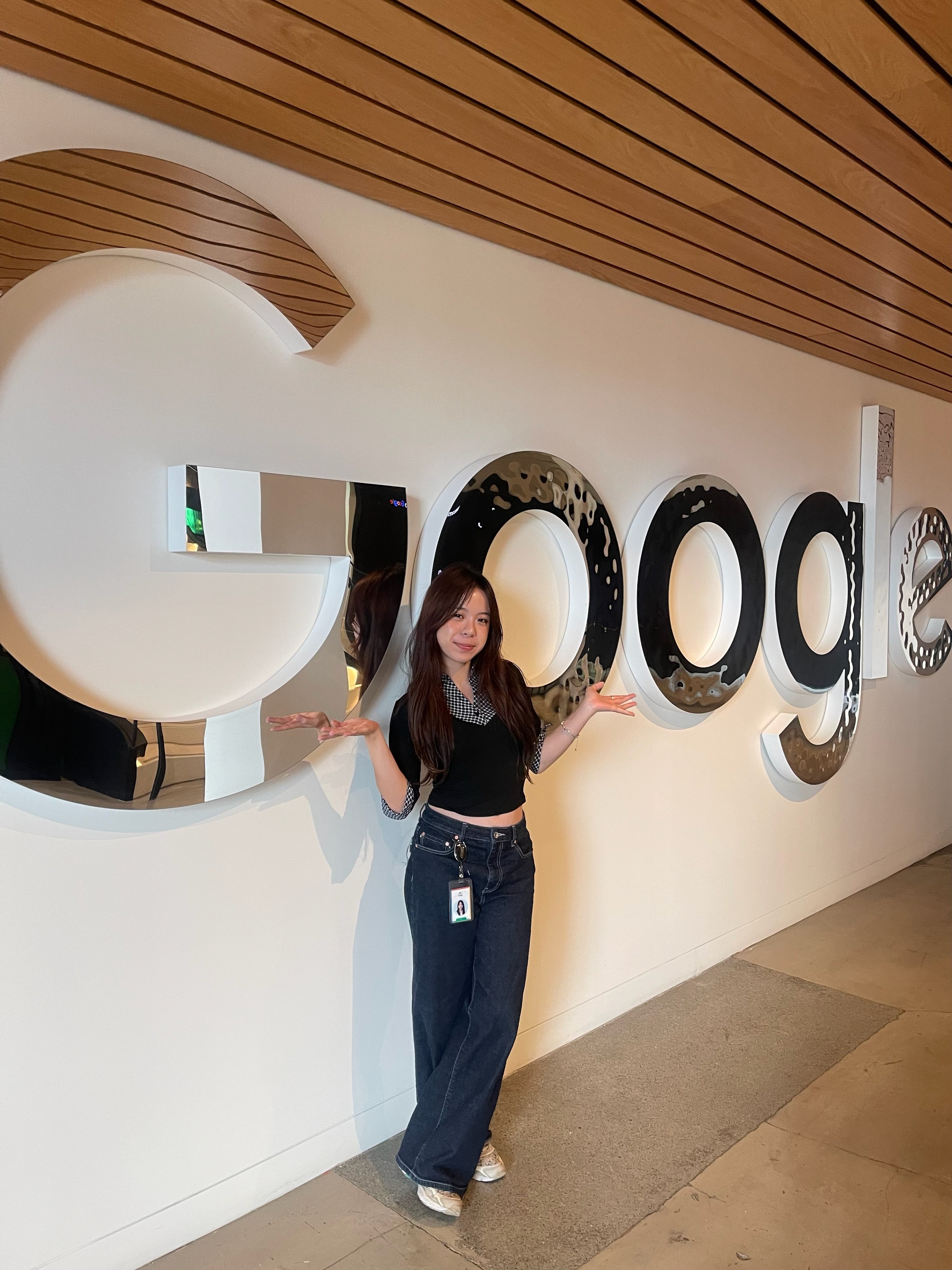
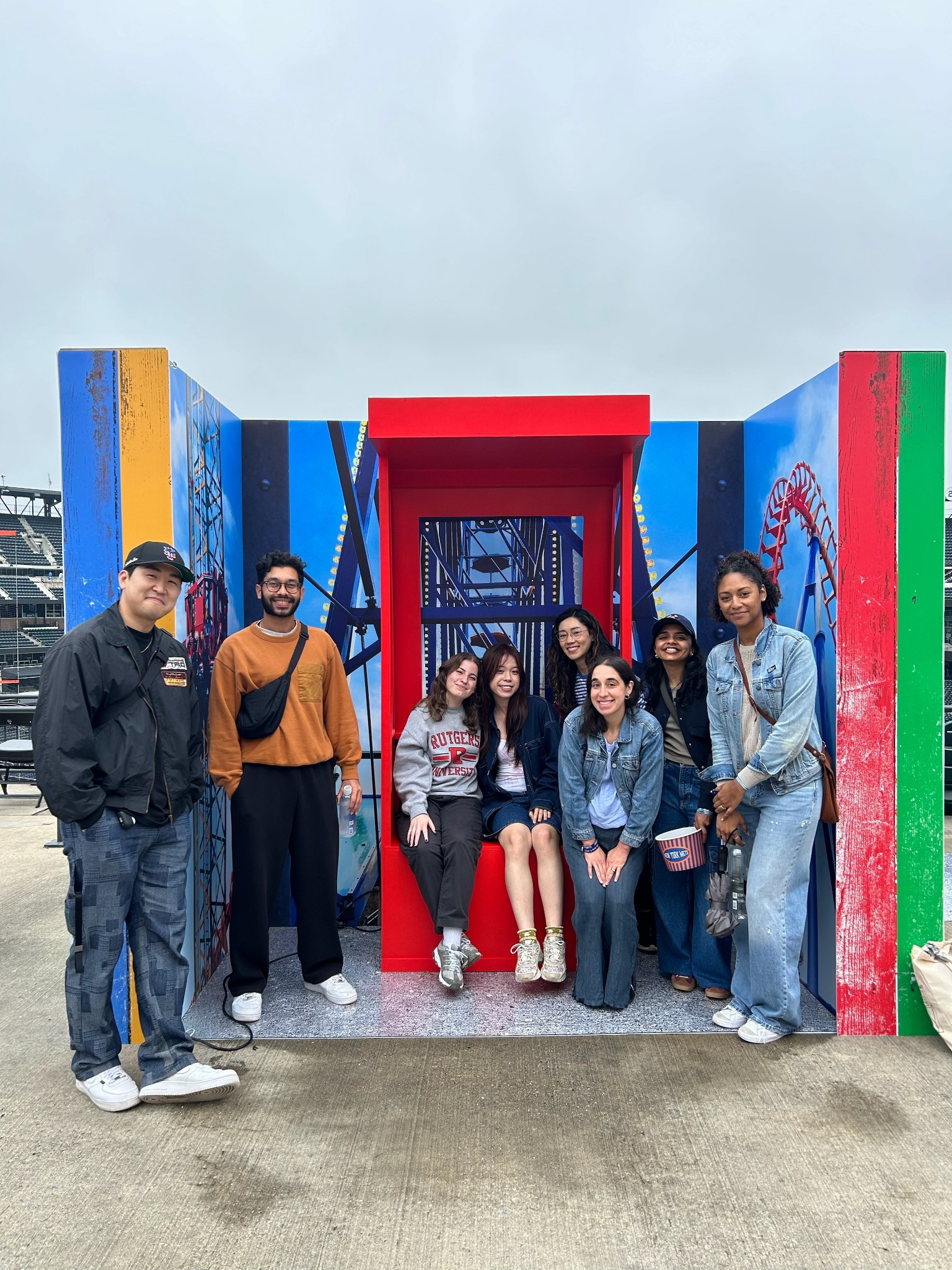
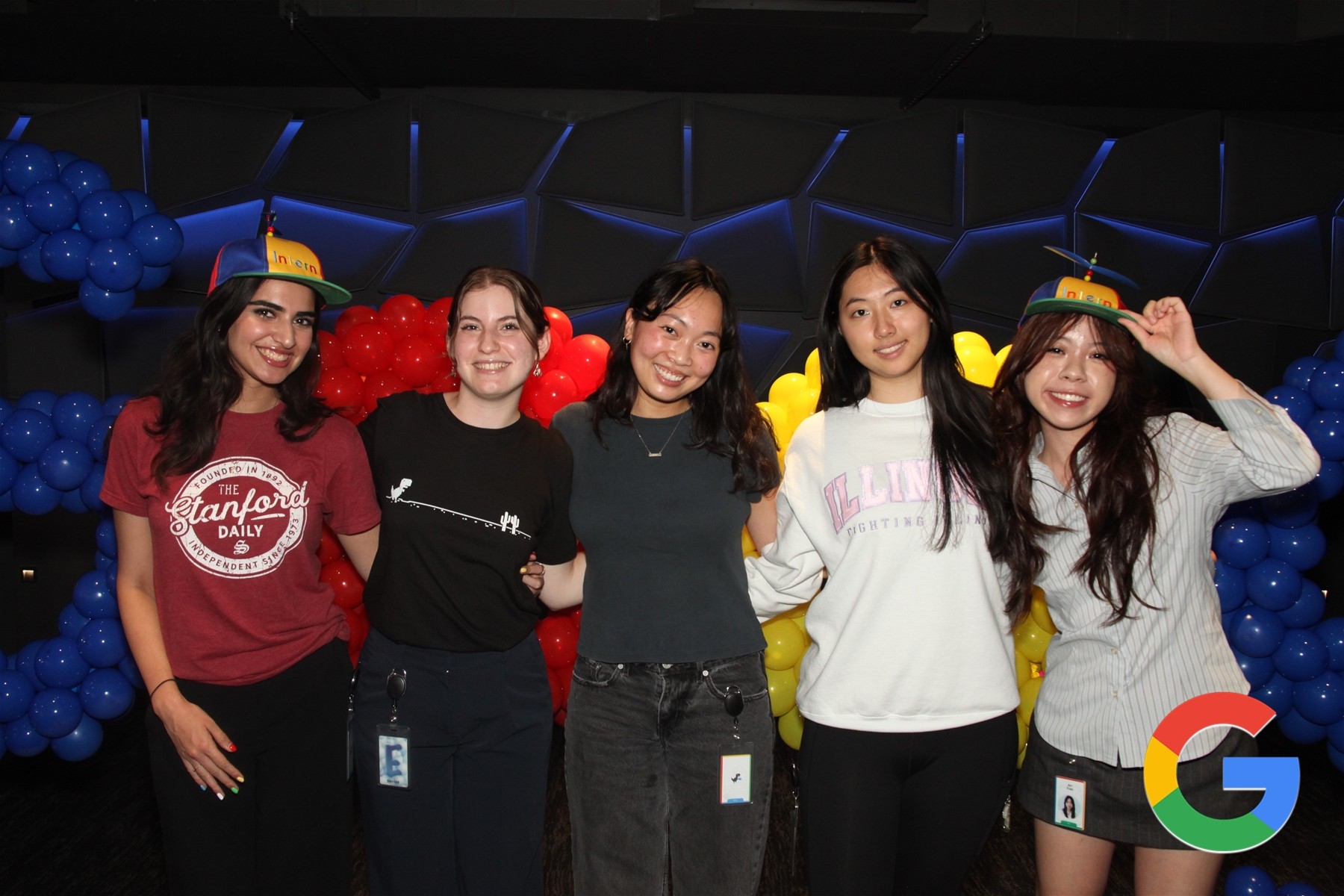
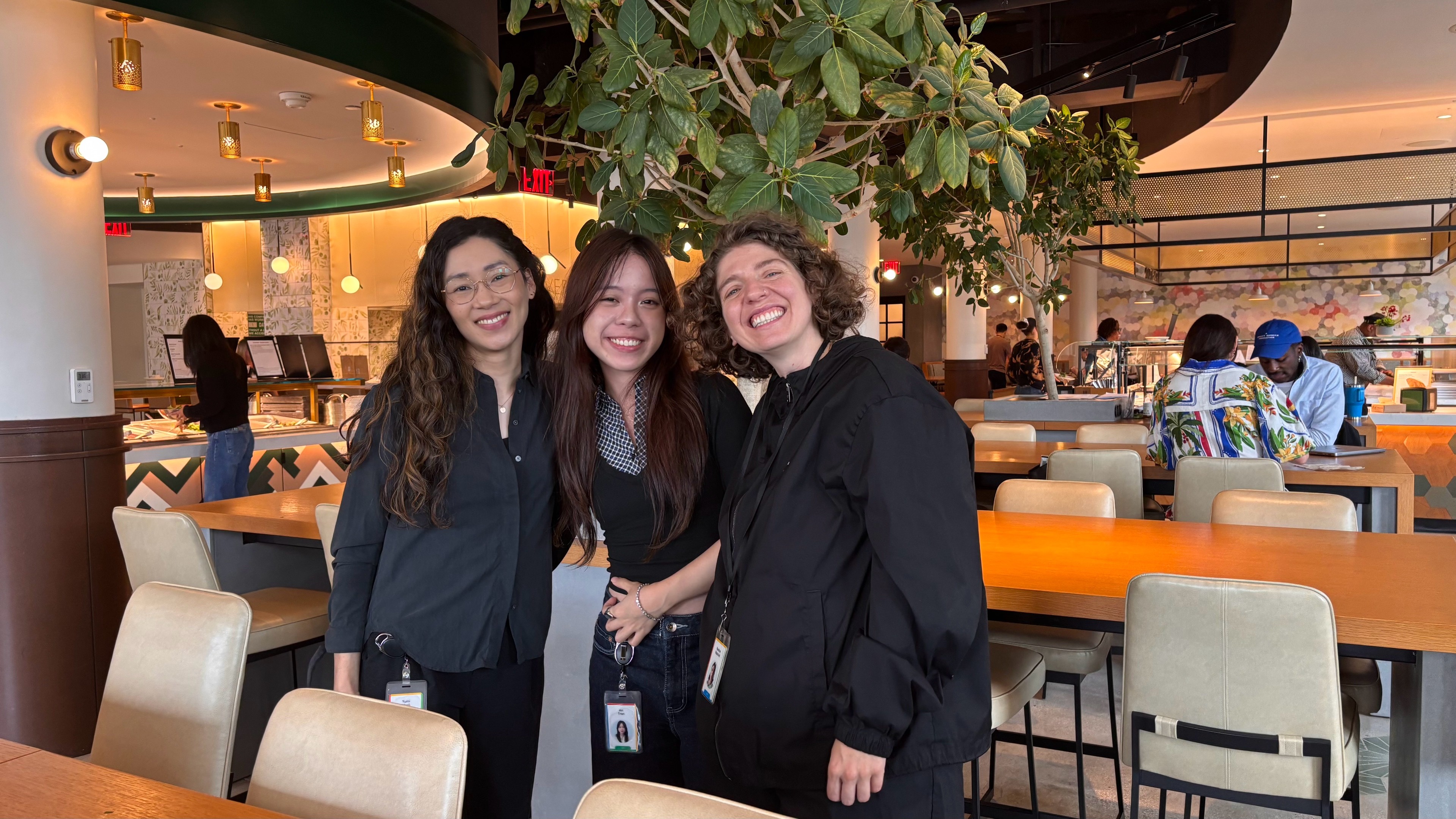
Me and my amazing hosts <3
“It was inspiring to watch An hit the ground running in a highly complex product area. Her design project focused on integrating a privacy-preserving feature into core authentication journeys, and required her to quickly understand the current landscape, balance the perspectives of many stakeholders, while maintaining a user-centric approach to problem-solving and design. In just three months, she produced a collection of thorough artifacts, successfully presented to leadership, and helped to shape the overall product strategy. To top it off, An was a joy to work with. Her future is very bright!”
Yumi Morii, Interaction Designer at Google
After an incredible summer, these are
My top internship learnings
⎯⎯⎯
Apply systems thinking to my design process
I’ve learned the ins and outs of working within an established design system and thinking broader about the interactions and their scalability across platforms before thinking about choosing the right components to use.
How to get quality feedback
Always provide context and remind others where my progress is, be clear about the type of feedback I am looking for, tailor your communication to the audience, and organize my files in an easy way for others to follow through.
Cross-functional collaboration
Design is never a one-person effort, and every input from xFn partners helps shape the final design deliverables. Often, you can create a design in just a day or two, but there are many steps before it is ready for the next steps. These include aligning with other product teams on their design principles and constraints, getting feedback and approval from my manager, UX lead, or PM, running design critiques with other designers, and testing my design with research.
Know how to navigate and be comfortable with the ambiguity
In a large company with many product levels, a project's scope will always be evolving. I've learned that instead of waiting for perfect clarity, me as a designer should navigate this ambiguity by asking the right questions, relying on my intuition to form a testable hypothesis, and validating it with data and strong rationales.
Led end-to-end UX design and product strategy for integrating privacy-preserving features into Google's core authentication journeys
Timeline
13 weeks
Role
User Experience Design Intern
Skills
Interaction Design, Visual Design, Product Thinking, Product Design
Team
Product Manager, Visual Designer, Content Designer, Researcher, Interaction Designers
Led end-to-end UX design and product strategy for integrating privacy-preserving features into Google's core authentication journeys
Led end-to-end UX design and product strategy for integrating privacy-preserving features into Google's core authentication journeys
Led end-to-end UX design and product strategy for integrating privacy-preserving features into Google's core authentication journeys
Timeline
Timeline
13 weeks
13 weeks
Role
Role
User Experience Design Intern
User Experience Design Intern
Skills
Skills
Interaction Design, Visual Design, Product Thinking, Product Design
Interaction Design, Visual Design, Product Thinking, Product Design
Team
Team
Product Manager, Visual Designer, Content Designer, Researcher, Interaction Designers
Product Manager, Visual Designer, Content Designer, Researcher, Interaction Designers
In the summer of 2025, I had the incredible opportunity to join Google NYC as a UX Design Intern on the Chrome UX (formerly Privacy Sandbox) team. My work focused on integrating new privacy features into Google’s core authentication journeys - an effort that required aligning inputs from design, content, research, and product.
I began by conducting a comprehensive UX audit across authentication flows, which surfaced 3 critical touchpoints where privacy could be introduced without disrupting usability. Building on these insights, I iterated on different design variations, gathering feedback from other designers through design critiques and working closely with content and product partners. By the end of my internship, I pitched a design proposal to leadership that demonstrated how my solution could both preserve user privacy and achieve parity with the competitor.
Beyond the design work, I also co-authored design specifications and user principles that were adopted into the PRD, shaping the project’s overall strategy and long-term roadmap.
My work is under NDA until the products launch, happy to provide more high-level information about my experience through an.tran140203@gmail.com. Let’s chat!
In the summer of 2025, I had the incredible opportunity to join Google NYC as a UX Design Intern on the Chrome UX (formerly Privacy Sandbox) team. My work focused on integrating new privacy features into Google’s core authentication journeys - an effort that required aligning inputs from design, content, research, and product.
I began by conducting a comprehensive UX audit across authentication flows, which surfaced 3 critical touchpoints where privacy could be introduced without disrupting usability. Building on these insights, I pitched a proposal to leadership that demonstrated how our solution could both preserve user privacy and achieve parity with the competitor.
Beyond the design work, I also co-authored specifications and user principles that were adopted into the PRD, shaping the project’s overall strategy and long-term roadmap.
My work is under NDA until the products launch, happy to provide more high-level information about my experience through an.tran140203@gmail.com. Let’s chat!
In the summer of 2025, I had the incredible opportunity to join Google NYC as a UX Design Intern on the Chrome UX (formerly Privacy Sandbox) team. My work focused on integrating new privacy features into Google’s core authentication journeys - an effort that required aligning inputs from design, content, research, and product.
I began by conducting a comprehensive UX audit across authentication flows, which surfaced 3 critical touchpoints where privacy could be introduced without disrupting usability. Building on these insights, I iterated on different design variations, gathering feedback from other designers through design critiques and working closely with content and product partners. By the end of my internship, I pitched a design proposal to leadership that demonstrated how my solution could both preserve user privacy and achieve parity with the competitor.
Beyond the design work, I also co-authored specifications and user principles that were adopted into the PRD, shaping the project’s overall strategy and long-term roadmap.
My work is under NDA until the products launch, happy to provide more high-level information about my experience through an.tran140203@gmail.com. Let’s chat!
If you are a Googler reading this, check out my work at go/antran_intern_portfolio !
If you are a Googler reading this, check out my work at go/antran_intern_portfolio !
If you are a Googler reading this, check out my work at go/antran_intern_portfolio !
After an incredible summer, these are
My top internship learnings
⎯⎯⎯
Apply systems thinking to my design process
Apply systems thinking to my design process
Apply systems thinking to my design process
I’ve learned the ins and outs of working within an established design system and thinking broader about the interactions and their scalability across platforms before thinking about choosing the right components to use.
I’ve learned the ins and outs of working within an established design system and thinking broader about the interactions and their scalability across platforms before thinking about choosing the right components to use.
I’ve learned the ins and outs of working within an established design system and thinking broader about the interactions and their scalability across platforms before thinking about choosing the right components to use.
How to get quality feedback
How to get quality feedback
How to get quality feedback
Always provide context and remind others where my progress is, be clear about the type of feedback I am looking for, tailor your communication to the audience, and organize my files in an easy way for others to follow through.
Always provide context and remind others where my progress is, be clear about the type of feedback I am looking for, tailor your communication to the audience, and organize my files in an easy way for others to follow through.
Always provide context and remind others where my progress is, be clear about the type of feedback I am looking for, tailor your communication to the audience, and organize my files in an easy way for others to follow through.
Know how to navigate and be comfortable with the ambiguity
Know how to navigate and be comfortable with the ambiguity
Know how to navigate and be comfortable with the ambiguity
In a large company with many product levels, a project's scope will always be evolving. I've learned that instead of waiting for perfect clarity, me as a designer should navigate this ambiguity by asking the right questions, relying on my intuition to form a testable hypothesis, and validating it with data and strong rationales.
In a large company with many product levels, a project's scope will always be evolving. I've learned that instead of waiting for perfect clarity, me as a designer should navigate this ambiguity by asking the right questions, relying on my intuition to form a testable hypothesis, and validating it with data and strong rationales.
In a large company with many product levels, a project's scope will always be evolving. I've learned that instead of waiting for perfect clarity, me as a designer should navigate this ambiguity by asking the right questions, relying on my intuition to form a testable hypothesis, and validating it with data and strong rationales.
Cross-functional collaboration
Cross-functional collaboration
Cross-functional collaboration
Design is never a one-person effort, and every input from xFn partners helps shape the final design deliverables. Often, you can create a design in just a day or two, but there are many steps before it is ready for the next steps. These include aligning with other product teams on their design principles and constraints, getting feedback and approval from my manager, UX lead, or PM, running design critiques with other designers, and testing my design with research.
Design is never a one-person effort, and every input from xFn partners helps shape the final design deliverables. Often, you can create a design in just a day or two, but there are many steps before it is ready for the next steps. These include aligning with other product teams on their design principles and constraints, getting feedback and approval from my manager, UX lead, or PM, running design critiques with other designers, and testing my design with research.
Design is never a one-person effort, and every input from xFn partners helps shape the final design deliverables. Often, you can create a design in just a day or two, but there are many steps before it is ready for the next steps. These include aligning with other product teams on their design principles and constraints, getting feedback and approval from my manager, UX lead, or PM, running design critiques with other designers, and testing my design with research.
Me and my amazing hosts <3
Me and my amazing hosts <3
“It was inspiring to watch An hit the ground running in a highly complex product area. Her design project focused on integrating a privacy-preserving feature into core authentication journeys, and required her to quickly understand the current landscape, balance the perspectives of many stakeholders, while maintaining a user-centric approach to problem-solving and design. In just three months, she produced a collection of thorough artifacts, successfully presented to leadership, and helped to shape the overall product strategy. To top it off, An was a joy to work with. Her future is very bright!”
“It was inspiring to watch An hit the ground running in a highly complex product area. Her design project focused on integrating a privacy-preserving feature into core authentication journeys, and required her to quickly understand the current landscape, balance the perspectives of many stakeholders, while maintaining a user-centric approach to problem-solving and design. In just three months, she produced a collection of thorough artifacts, successfully presented to leadership, and helped to shape the overall product strategy. To top it off, An was a joy to work with. Her future is very bright!”
“It was inspiring to watch An hit the ground running in a highly complex product area. Her design project focused on integrating a privacy-preserving feature into core authentication journeys, and required her to quickly understand the current landscape, balance the perspectives of many stakeholders, while maintaining a user-centric approach to problem-solving and design. In just three months, she produced a collection of thorough artifacts, successfully presented to leadership, and helped to shape the overall product strategy. To top it off, An was a joy to work with. Her future is very bright!”
Yumi Morii, Interaction Designer at Google
Yumi Morii, Interaction Designer at Google
